
When the Waters Recede, the Real Work Begins
After storms Kristin and Marta, Sal Correia assesses the impact on the salt pans in Castro Marim. A story of resilience, traditional salt making, and hope. Here
Last week, something important happened, not on our salt pans, but in a meeting room in Olhão. Representatives from the broader Castro Marim salt-producing community sat down with GAL Pesca Sotavento Algarve to discuss something that rarely makes headlines but matters enormously to every artisanal salt producer in the region, what happens after the storms.
We wrote about Kristin and Marta, the record tides of 3.9 metres, the swollen Guadiana, and the clay walls that held. What we didn't yet tell you is that the physical damage was only part of the story. The deeper wound is in the water itself, our loss to carry.
On the 12th of March, the body that manages EU fisheries and coastal development funds in our region sat down with our salt-producing community. They came with three things to discuss, the support for the physical damage to salt pans and aquaculture, income support for producers facing a shorter season through no fault of their own, and a long-overdue funding line specifically for traditional marine salt harvesting.
I believe that last one alone tells you everything you need to know about where our sector sits in the policy landscape. Four thousand years of salt making in the Algarve, and there has never been a dedicated line for it.
The Honest Answer
We promised you full transparency. So here it is, on rehabilitation, salt pans, warehouses, equipment, yes, financial support exists. It can be accessed through formal project applications to MAR2030, which GAL Pesca administers locally. The process is long and bureaucratic, with echoes of the old PRODER scheme. There are no emergency mechanisms, no fast-track funds, no guidance from the supervising ministry. But the door is not locked. For those with the patience and documentation to navigate it, the pathway is real.
Our cooperative will be writing formally to the Minister of Agriculture and Sea, requesting the same type of support that was extended to fishing boat operators after comparable events. It is the right ask. Whether it is heard is another matter. As for a dedicated line for salicultura tradicional ? Still absent, but MAR2030 does not restrict applications by activity code, which means producers can submit rehabilitation projects. It is not the solution this sector deserves, it is an opening.
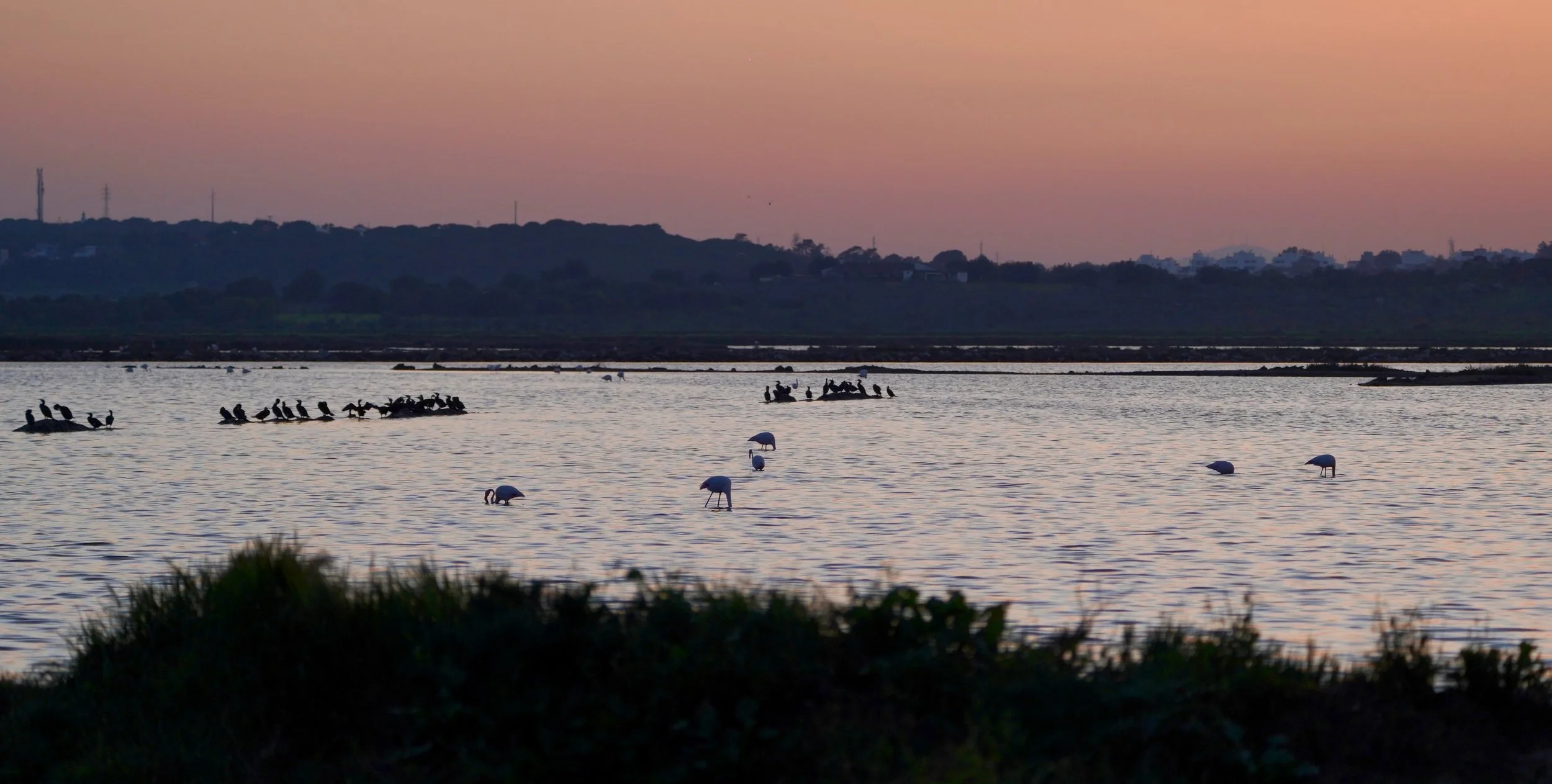
It is telling you that the 2026 Vintage will be a challenging harvest, It will likely arrive later. And that behind every pinch of it is a season's worth of repair work, a letter to a Minister, a team in the mud at Venta Moinhos, and the birds, the flamingos, the avocets, the stilts already returning to the pans as the water levels settle.
They always come back. And so do we.
From Castro Marim to your table — earned in every grain.
After the Storm: A Salty Tale of Resilience
After storms Kristin and Marta, Sal Correia assesses the impact on the salt pans in Castro Marim. A story of resilience, traditional salt making, and hope. Here
We recently faced what we call the "Triple Threat" here in Castro marim, in the RNSCMVRSA Nature Reserve. It was a test of endurance that combined the aftermath of storms Kristin and Marta with a rare alignment of natural forces:
Record High Tides: Fueled by the Full Moon, tides surged to nearly 3.9 meters.
River Overflow: The Guadiana River, swollen from weeks of rain, had nowhere to drain.
Saturated Earth: The marsh was already soaking wet, turning our clay walls into a frontline defense.
The "Salgado" Held Strong
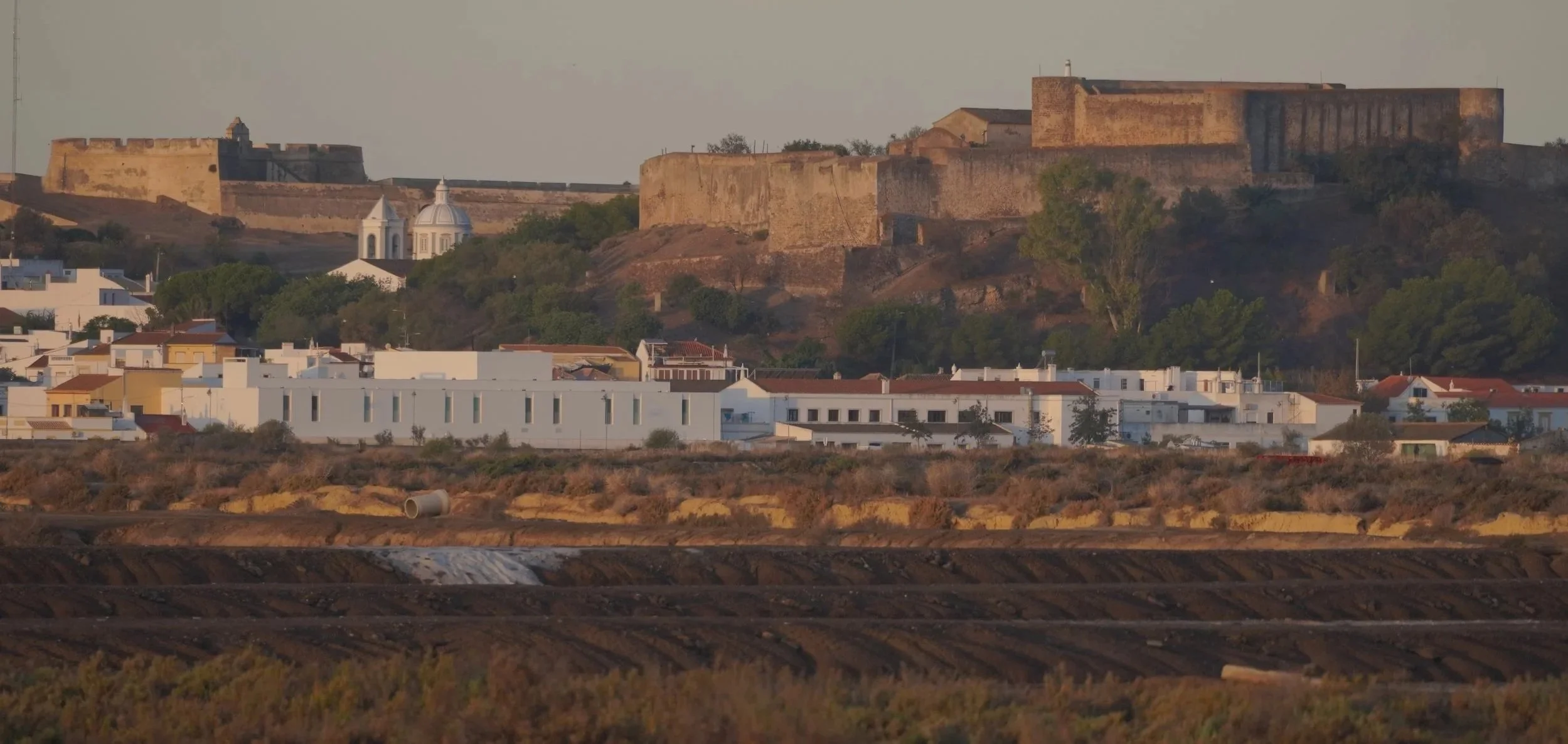
Our local cooperative, Terras de Sal, issued a warning that these would be the most difficult days for the salt pans in years. And they were right. But looking out at our salt pans in Venta Moinhos today, we see triumph. The water rose, the wind howled, but the centuries-old design of these salt pans, and the vigilance of our team, held the line. The traditional clay walls (cômoros) absorbed the impact, proving that Roman engineering combined with modern stewardship is a winning formula.
Now that the waters are receding, we aren't just cleaning up; we are preparing for a spectacular season. This immense flush of fresh and salt water has deep-cleaned the entire system. In the world of premium artisanal salt, a hard winter often leads to a pristine harvest. It resets the mineral balance and purifies the clay beds.
When we speak of full Transparency, this is what we mean. We don't hide the storms. We want you to know that the salt you will enjoy from our 2026 Vintage didn't just appear; it survived. We are now moving into our gentle maintenance phase, repairing minor damages by hand, and letting the sun take over.
The storms have passed. The salt remains. And we are more ready than ever.
From Castro Marim to your table, resilience in every grain.